
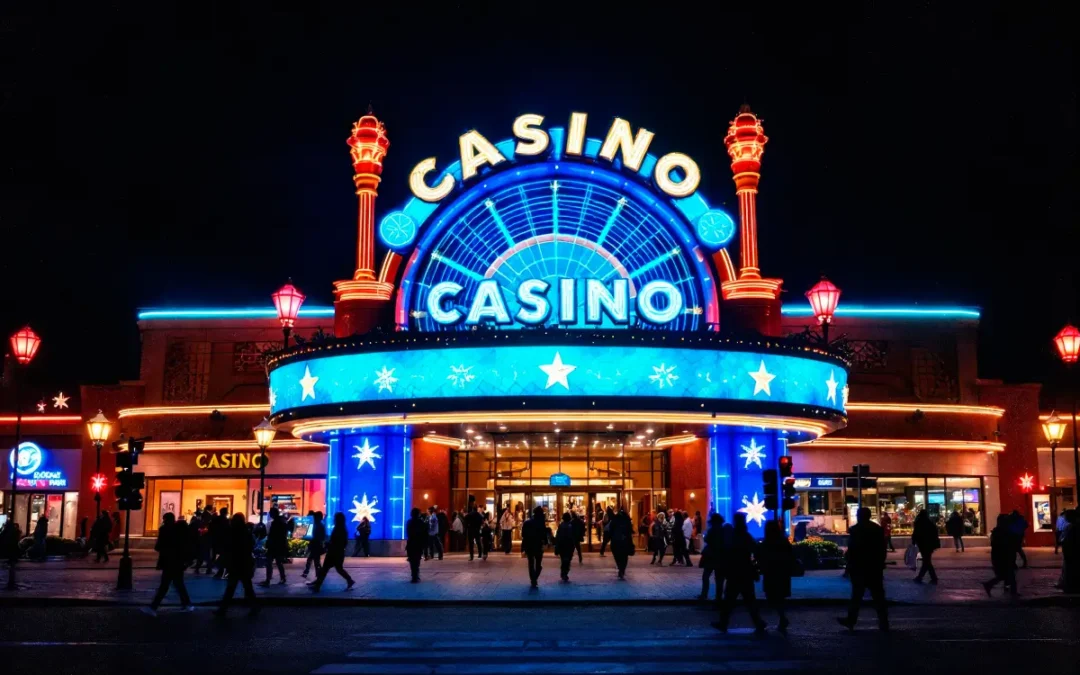
Casinos do more than offer gambling and entertainment. They actively reshape the communities around them by changing how people socialize, spend money, and view their own neighborhoods. When a casino opens in a town or city, it brings new jobs and tourism, but it also transforms local traditions, social gathering spots, and even what residents consider normal behavior.
These changes happen in ways both obvious and subtle. A casino might hire thousands of workers and attract visitors from around the world. At the same time, it influences local art scenes, changes how people spend their free time, and shifts what the community values.
Understanding how casinos affect local culture helps residents, business owners, and city planners make better decisions about their communities. This article explores the specific ways gambling venues alter community identity, economic patterns, cultural activities, and shared values in the places they call home.
Influence of Casinos on Local Identity
Casinos transform how communities see themselves by creating new traditions, changing city reputations, and weaving gambling culture into everyday routines.
Shaping Community Traditions
Casinos create new rituals and practices that become part of local life. Communities that once gathered at town halls or churches now meet at casino events and entertainment venues. These establishments host concerts, art shows, and food festivals that bring people together in different ways than before.
Local artists and performers gain new platforms through casino venues. Musicians play regular shows at casino theaters. Chefs open restaurants in casino complexes that showcase regional cuisine. These opportunities help preserve local talent while exposing it to visitors from outside the area.
The gaming industry often adapts to existing customs rather than replacing them. Casinos incorporate local design elements, architectural styles, and cultural symbols into their buildings. This blend of old and new creates spaces that feel familiar yet modern to residents.
Impact on City Branding
Cities with major casinos develop reputations tied to gambling and entertainment. Las Vegas built its entire identity around casino culture. Macau transformed from a quiet port city into a gaming capital. Atlantic City became known as a coastal gambling destination.
These casino-driven identities attract specific types of tourism and investment. Cities market themselves through their gaming venues, using casinos as landmarks in promotional materials. The change affects how outsiders view these places and influences what businesses choose to locate there.
Smaller towns face identity shifts when casinos arrive. A community known for agriculture or manufacturing may become associated with gaming. This rebranding brings economic benefits but can create tension with residents who value the area’s original character.
Integration of Casino Culture in Daily Life
Casino employment becomes a major part of local work life. Thousands of residents in gaming towns work as dealers, servers, security staff, and managers. Their schedules revolve around casino shifts, which operate 24 hours a day.
The physical presence of casinos changes neighborhood rhythms. Bright lights stay on all night. Traffic patterns shift to accommodate visitors. Restaurants and shops adjust their hours to serve casino crowds.
Social interactions increasingly happen in casino spaces. People celebrate birthdays at casino restaurants. Couples go on dates to casino shows. Friends meet for drinks at casino bars. These venues replace traditional gathering spots as centers of community social life.
Economic Effects on Social Behavior
When casinos enter a community, they reshape how residents work, spend money, and socialize. The influx of gaming revenue creates new employment patterns while changing where people choose to spend their leisure time and dollars.
Employment and Lifestyle Changes
Casino jobs transform work schedules and income patterns for local residents. Many casino positions operate 24/7, which means workers adapt to night shifts, weekend schedules, and holiday hours that differ from traditional nine-to-five employment.
These positions often provide benefits and wages above minimum wage for jobs that don’t require college degrees. Dealers, security staff, and hospitality workers gain access to health insurance and retirement plans. This stable income allows families to make different spending choices than they could before.
The irregular work hours affect family routines and social patterns. Parents working overnight shifts adjust childcare arrangements. Social gatherings shift to accommodate new work schedules. Workers spend their income differently too, with increased disposable income leading to more dining out, entertainment purchases, and retail spending in the community.
Transformation of Entertainment Options
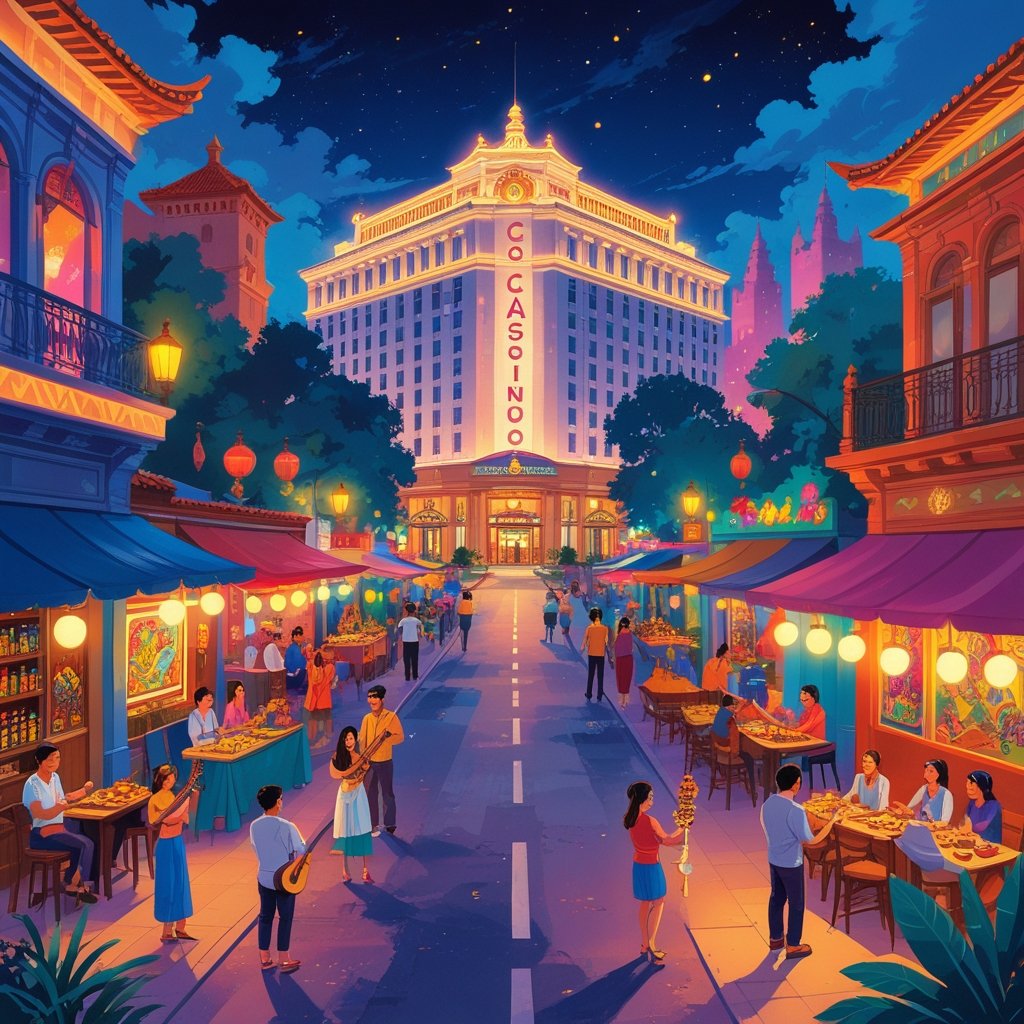
Casinos become central entertainment destinations that change how residents socialize. Local residents visit casinos not just for gambling but for restaurants, concerts, and shows that weren’t previously available in the area.
Traditional entertainment venues face new competition. Movie theaters, bowling alleys, and local bars see reduced attendance as casinos offer more entertainment options under one roof. Some communities lose older entertainment businesses entirely.
The casino attracts outside visitors, which changes the social mix in public spaces. Locals interact with tourists and regional visitors more frequently. This creates a different social atmosphere in the community compared to before the casino opened.
Evolution of Local Businesses
Retail and service businesses adjust their operations to serve casino workers and visitors. Restaurants extend hours to accommodate shift workers leaving casinos at 2 AM or 6 AM. Convenience stores and gas stations near casinos stay open later or switch to 24-hour operations.
New businesses emerge to support the casino economy. Pawn shops, check-cashing services, and short-term loan providers often open near casinos. Hotels, motels, and rental properties expand to house casino employees and visiting gamblers.
Existing businesses modify their offerings. Clothing stores stock formal wear for casino employment. Childcare centers add overnight and weekend services for parents working casino shifts.
Cultural Shifts in Arts and Social Events
Casinos have become important supporters of local arts programs and cultural celebrations in their communities. They provide funding and venues for musicians, artists, and cultural events that might not exist otherwise.
Support for Music and Performance Arts
Casinos regularly host concerts, theater productions, and live performances in their venues. These entertainment spaces give local musicians and performers steady work and exposure to larger audiences. Many casinos book both well-known acts and emerging artists, creating opportunities for talent at different career stages.
The casino industry invests in art exhibitions and cultural displays within their properties. Local artists get wall space and gallery opportunities to showcase their work to thousands of visitors. This arrangement helps artists earn income and gain recognition while casinos enhance their atmosphere with original art.
Key benefits for performers include:
- Regular performance schedules with guaranteed pay
- Access to professional sound and lighting equipment
- Exposure to diverse audiences from different regions
- Networking opportunities with other artists and industry professionals
Development of Festivals and Celebrations
Casinos organize and sponsor cultural festivals that celebrate local traditions and heritage. These events include food festivals, art fairs, and holiday celebrations that draw community members and tourists together. The casino provides the location, funding, and promotional support needed to make these gatherings successful.
Some casinos host culinary events featuring local chefs and regional cuisine. These gatherings preserve food traditions while introducing them to new audiences. Cultural festivals at casino properties often incorporate traditional music, dance, and crafts specific to the region.
The financial backing from casinos allows festivals to grow larger and more elaborate than they might be otherwise. Communities gain gathering spaces where people connect over shared cultural experiences.
Changes in Community Values and Perceptions
Casinos introduce new social dynamics that gradually reshape how communities view gambling and financial success. These shifts affect both individual attitudes and broader cultural norms over time.
Attitudes Toward Gambling
Communities often experience significant changes in how residents view gambling after a casino opens. What once seemed risky or taboo can become normalized as a regular form of entertainment. Local residents who previously opposed gambling may begin to accept it as part of their community identity.
The visibility of casinos influences these attitude shifts. When people see their neighbors working at casinos or visiting them for entertainment, gambling loses its negative associations. Younger generations who grow up with casinos nearby tend to view gambling differently than older residents who remember life before the casino arrived.
Some communities develop mixed views where gambling is accepted but concerns remain about problem gambling. Local religious and cultural groups may maintain their opposition even as the broader community becomes more accepting. The debate between economic benefits and moral concerns continues in many areas.
Perceptions of Wealth and Success
Casinos change how communities think about money and success. The presence of jackpot winners and high-roller culture can shift local values toward quick financial gains rather than steady work.
Some residents begin to see gambling as a legitimate path to wealth. This perception affects financial decision-making and spending habits in the community. Young people may view casino employment or gambling itself as an attractive career path or money-making strategy.
The display of luxury at casinos creates new standards for success. Expensive cars, designer clothes, and lavish lifestyles become more visible and desirable. These changes can create tension between traditional values of hard work and newer attitudes that favor risk-taking and instant rewards.